
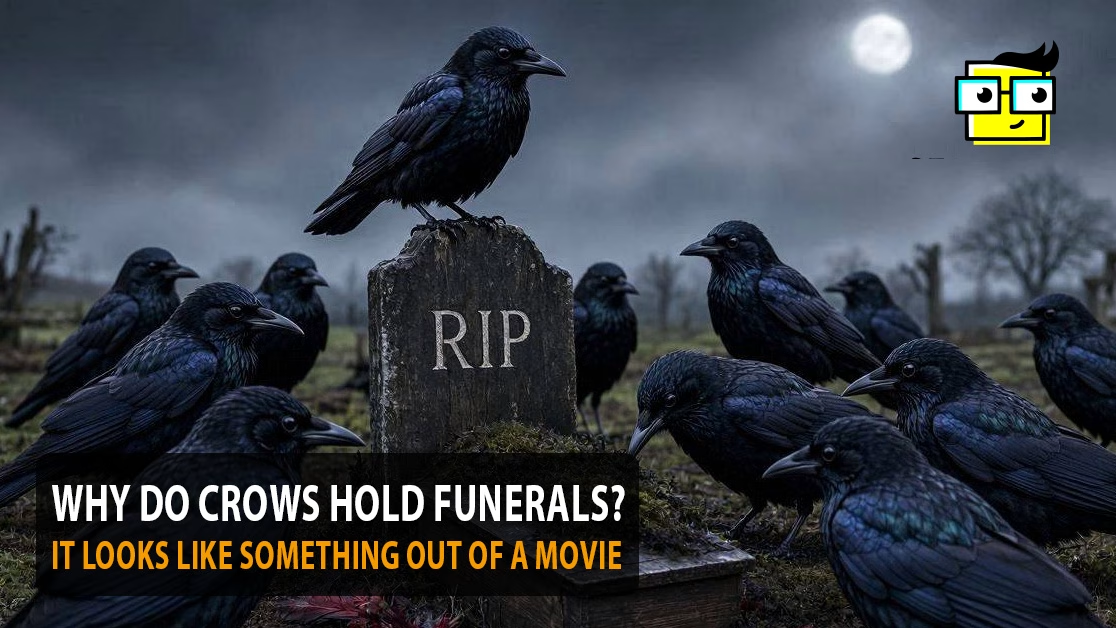
Have you ever walked past a group of noisy crows gathered around a single dead bird?
At first glance, it almost looks like something out of a movie. The crows aren’t eating. They aren’t flying away. Instead, they stand nearby, calling loudly, hopping around, and sometimes staying for several minutes before finally leaving together.
It has led many people to believe that crows actually hold funerals.
As strange as that sounds, scientists have discovered there’s far more going on than simple coincidence. While crows probably don’t mourn the same way humans do, these gatherings reveal an impressive level of intelligence, communication, and social learning that few other birds can match.
The truth is both fascinating and a little eerie.
Do Crows Really Hold Funerals?
The short answer is yes… but probably not for the reason you think.
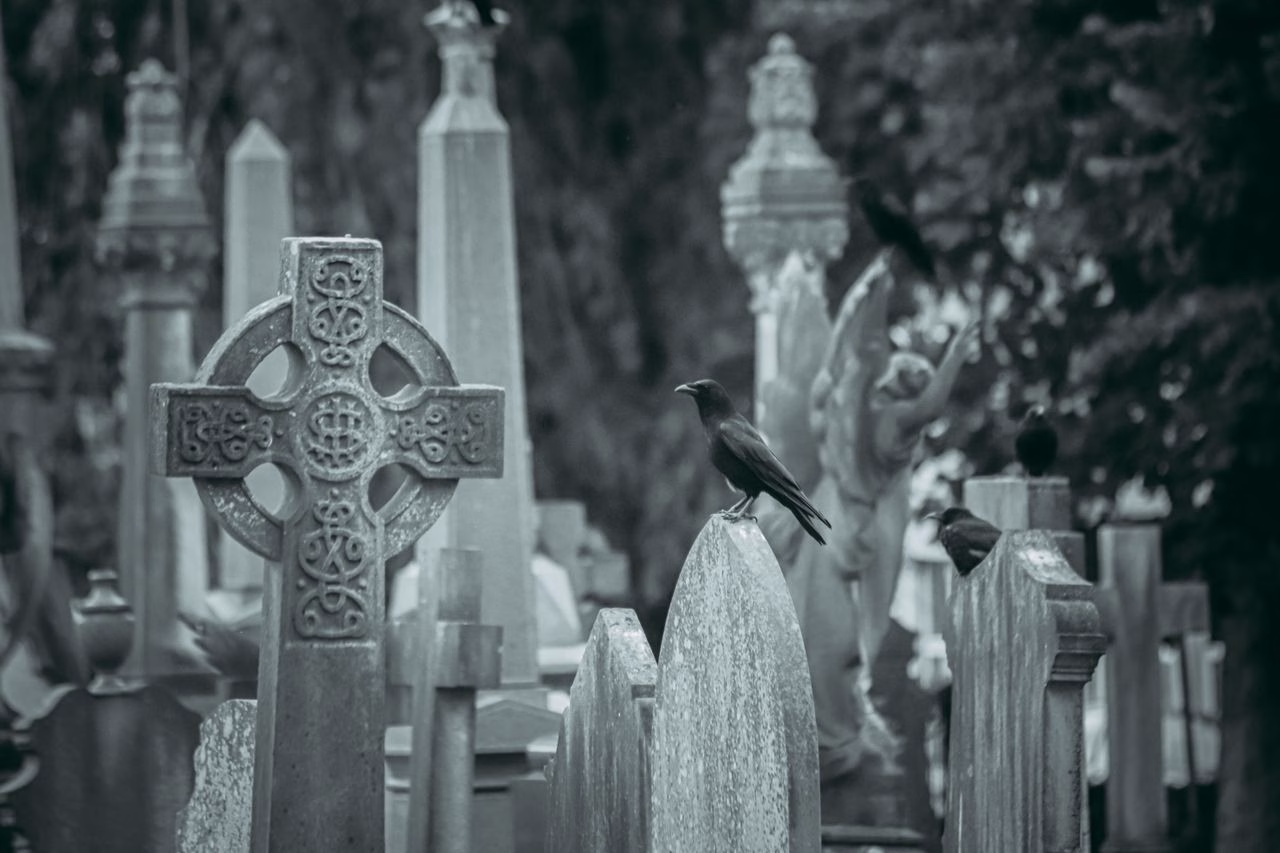
Researchers have observed crows gathering around deceased members of their own species all over the world. Sometimes only a handful appear. Other times dozens of birds arrive within minutes, creating a loud chorus of calls that can be heard from surprisingly far away.
For years, people assumed these gatherings were a form of grief.
Scientists now believe something different is happening.
Instead of saying goodbye, the crows are likely gathering information.
A dead crow represents danger. Something killed it, and every nearby crow wants to know what happened so they can avoid becoming the next victim.
In other words, these strange gatherings are less like a funeral and more like an emergency neighborhood meeting.
Crows Are Among the Smartest Birds on Earth
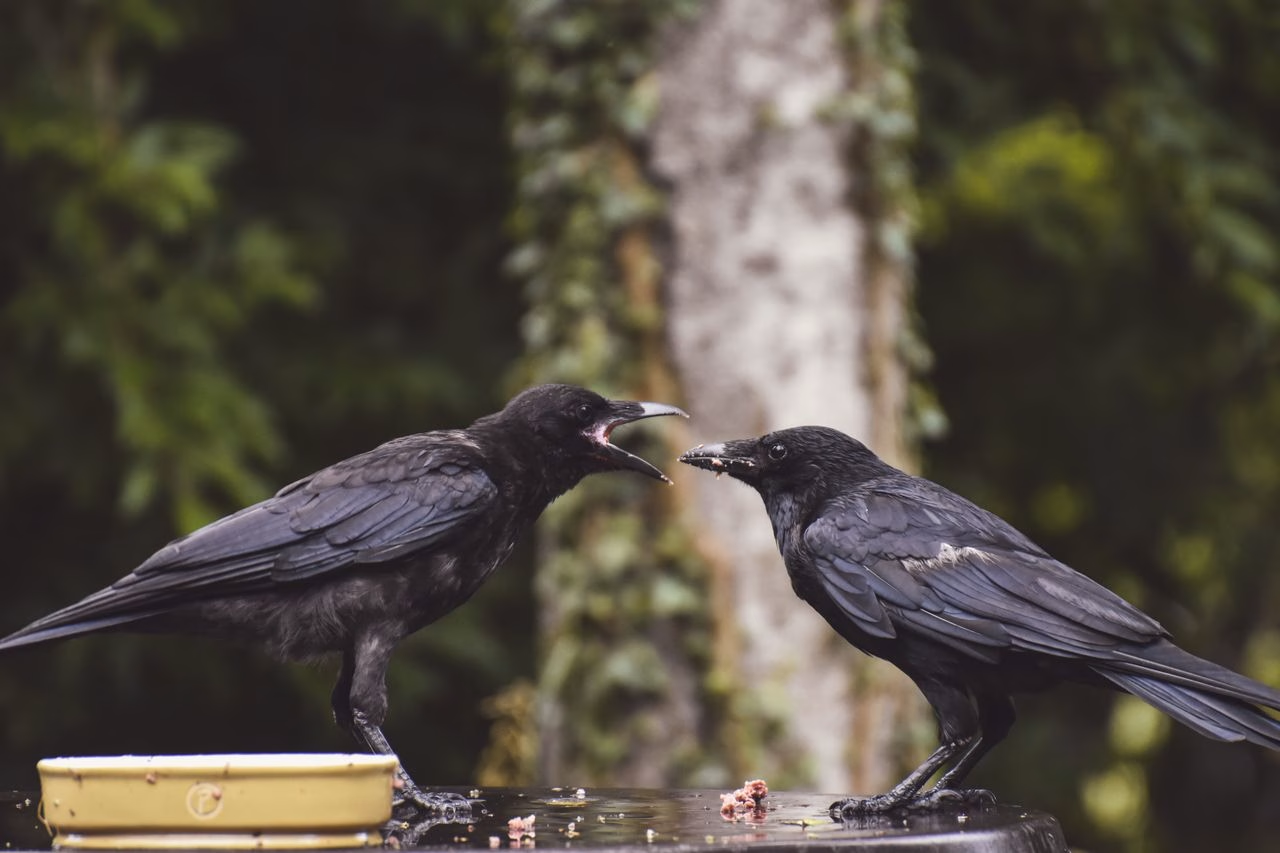
The idea becomes even more believable once you understand just how intelligent crows really are.
Members of the crow family, known as corvids, regularly rank alongside dolphins, chimpanzees, and elephants in studies of animal intelligence.
They can:
- Recognize individual human faces for years.
- Solve complex puzzles.
- Use tools to retrieve food.
- Teach other crows about dangerous people.
- Remember locations of food caches months later.
Some experiments have even shown that crows can plan ahead, something once believed to be unique to humans and a few primates.
That means when a crow discovers a dead companion, it is capable of treating the situation as valuable information rather than simply ignoring it.
Scientists Actually Studied Crow Funerals
One of the best known studies came from researchers at the University of Washington.
They wanted to understand why crows gathered around dead crows, so they carefully placed taxidermy crows in areas where wild crows lived.
The response was immediate.
Wild crows arrived, began calling loudly, and often attracted even more birds to the location. Many refused to approach the area for days afterward.
Researchers later introduced people wearing masks while holding the dead crow.
Even years later, the crows remembered those same faces and reacted with alarm whenever they saw them again.
That remarkable memory suggests these gatherings are an important learning opportunity. Young birds can identify potential threats simply by watching how older crows react.
Are Crows Mourning Their Friends?
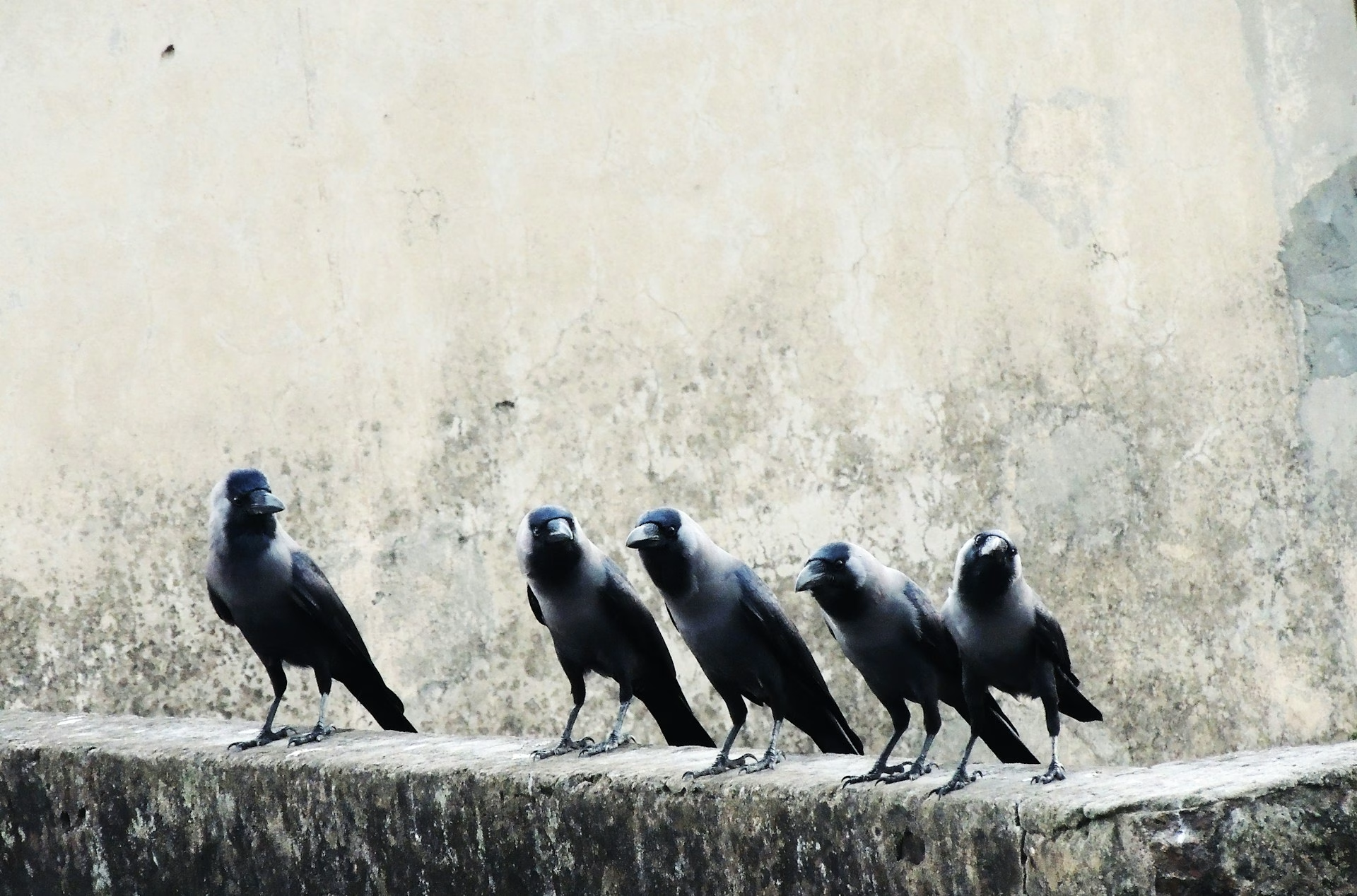
This is where things become a little more mysterious.
While most scientists agree that these gatherings serve a practical purpose, some observations hint that there could also be an emotional side.
Crows have been seen gently touching dead companions with their beaks.
Others remain unusually quiet after the gathering ends.
In rare cases, pairs of bonded crows have stayed near a deceased partner longer than expected.
Does this mean they feel grief?
Nobody knows for certain.
Animals cannot tell us what they are thinking, so researchers have to rely on observable behavior. It is possible that crows experience emotions we simply do not yet fully understand.
The safest conclusion is that their behavior combines survival, learning, and perhaps something more.
Why This Behavior Helps Crows Survive
Nature rewards animals that learn from danger.
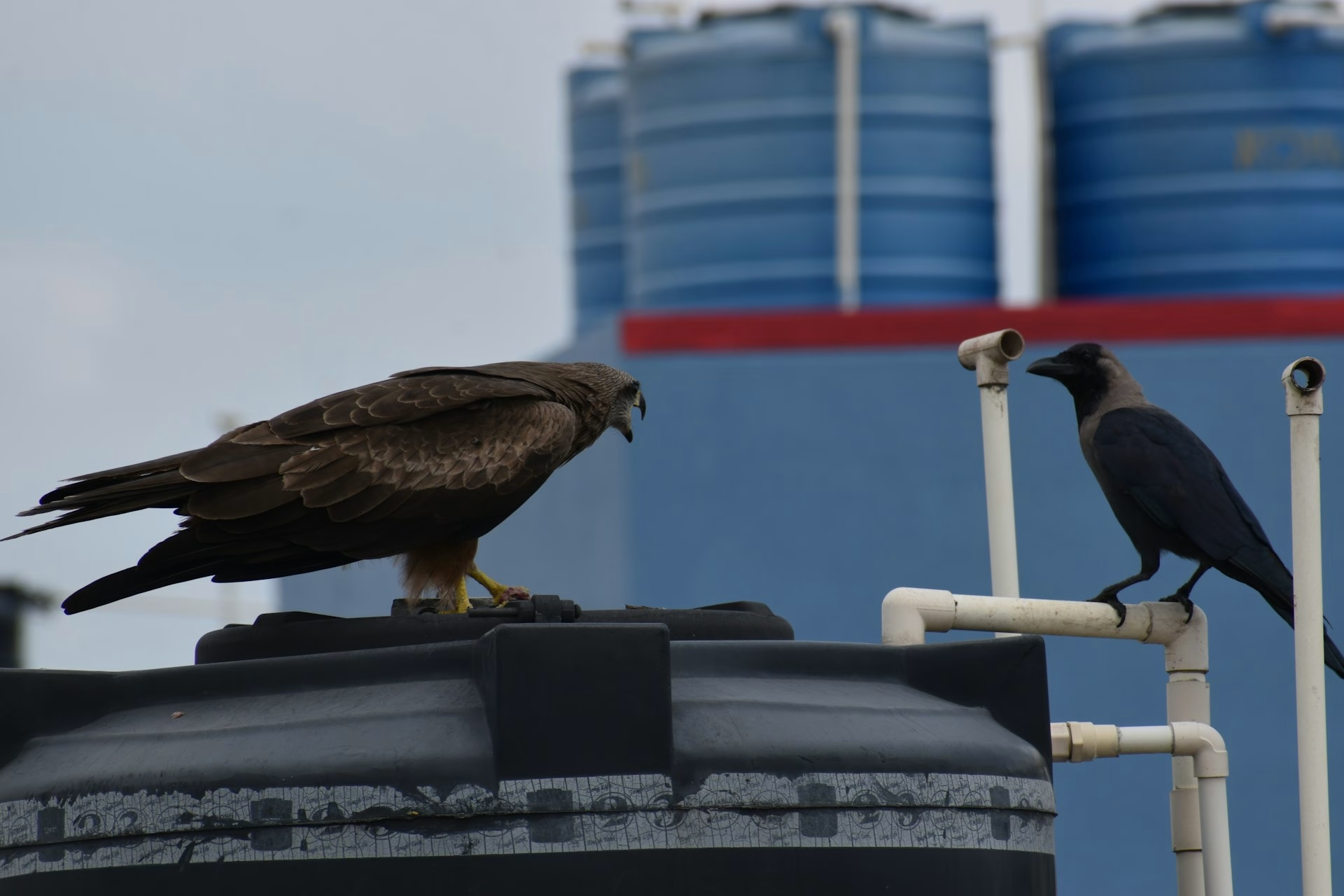
Imagine if one crow is killed by a hawk.
If nearby crows investigate the scene, they quickly learn that hawks hunt in that area. The next time they see a hawk nearby, they react sooner and warn others with loud alarm calls.
Over time, entire groups become better at avoiding predators.
The same strategy may even help them recognize dangerous humans, busy roads, or poisoned food.
For crows, every funeral is essentially a survival lesson.
Crows Have Even Longer Memories Than You Think
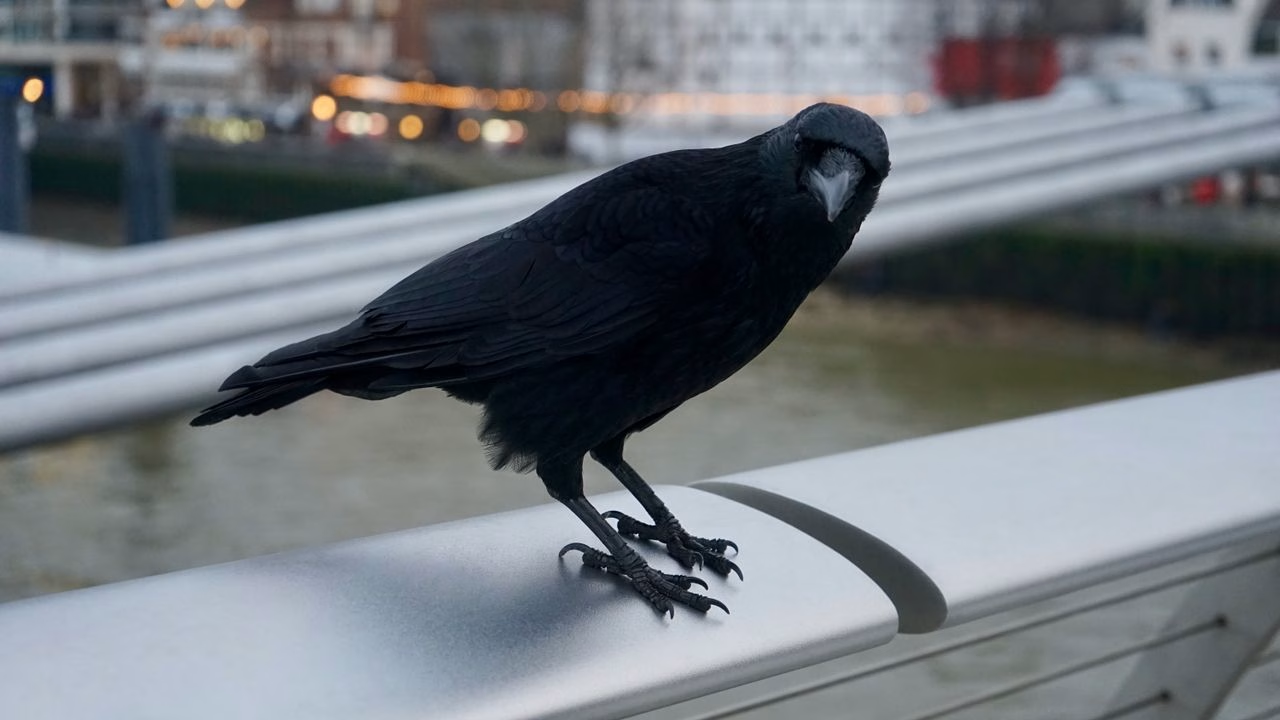
If you’ve ever annoyed a crow, don’t expect it to forget.
Scientists have documented crows remembering individual human faces for many years.
Even more surprising, they share that information with other crows.
Young birds that have never encountered a particular person may still react negatively after learning from older members of the group.
That means one bad interaction with a crow could become local gossip throughout an entire crow community.
Considering their intelligence, it makes sense that a dead crow would become an event worth investigating.
If you’re fascinated by unusual creatures, you’ll also enjoy reading about the weirdest animals in the world, where reality is often stranger than fiction.
Crows Are Still Full of Surprises
The more scientists study crows, the stranger they become.
These birds solve problems, recognize faces, use tools, communicate complex information, and appear to gather around their dead in ways that continue to puzzle researchers.
Whether you call them funerals, investigations, or survival meetings, one thing is certain.
The next time you see a group of crows gathered together making an incredible amount of noise, you may be witnessing one of nature’s most remarkable social behaviors.
It is a reminder that intelligence comes in many forms and that some of the most fascinating animals are living right outside our windows.
Who knows what other secrets these black feathered masterminds are still hiding?

Kate is a creative soul with a knack for entertaining people with random facts and historical tidbits. Whether she’s diving into history books, painting vibrant canvases in her free time, or crafting engaging stories, Kate’s passion for creativity and knowledge shines through.
She loves turning the ordinary into something extraordinary and believes there’s always a fascinating story waiting to be told. When she’s not busy exploring the past or wielding a paintbrush, you’ll find her sharing her latest discoveries with anyone who’ll listen.


