
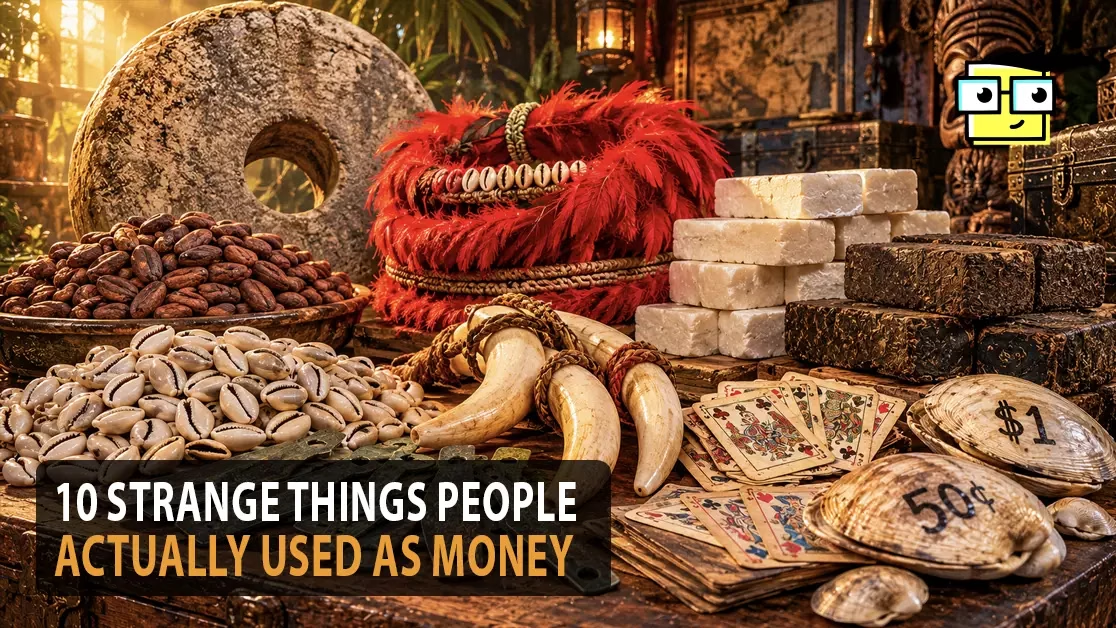
Today, paying for something usually involves handing over a few coins, tapping a card or pulling out your phone. But throughout history, people have used some rather unusual things to buy goods and pay for services.
Imagine walking into a shop and paying with a giant stone, a handful of chocolate beans or a bundle of red feathers. It might sound ridiculous, but these were all real forms of money used in different parts of the world.
Here are 10 strange things that people actually used as currency, some of which are considerably more unusual than anything you’ll find in your wallet today!
1. Giant Stone Wheels
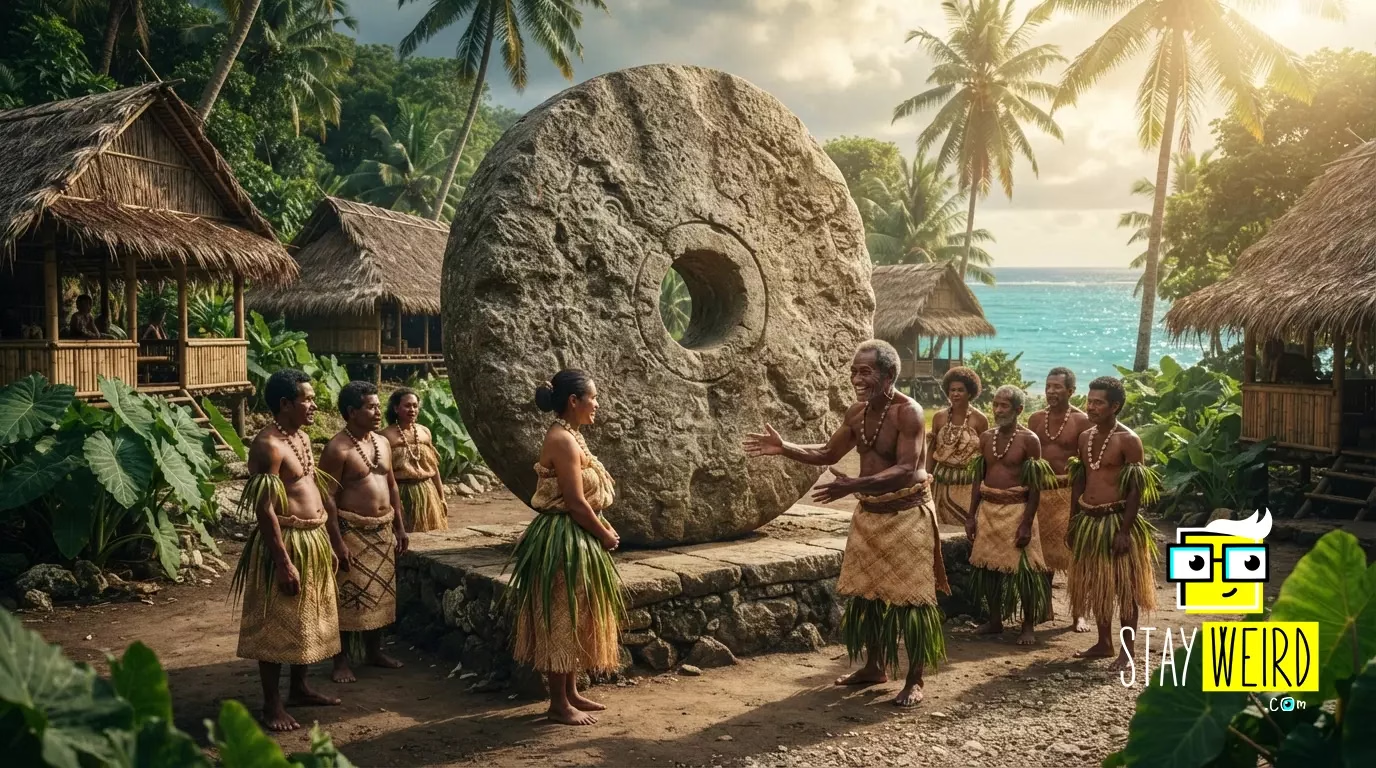
On the Pacific island of Yap, some of the most valuable money wasn’t made of gold or silver. It was made of enormous stone wheels.
Known as rai, these circular limestone disks came in different sizes, with some measuring several feet across. They were used for important transactions, including marriage gifts and other significant exchanges.
The strangest part? Some stones were so enormous that moving them wasn’t even necessary when ownership changed. Everyone simply acknowledged that the stone now belonged to someone else. Imagine trying that at the supermarket checkout!
2. Red Feather Money
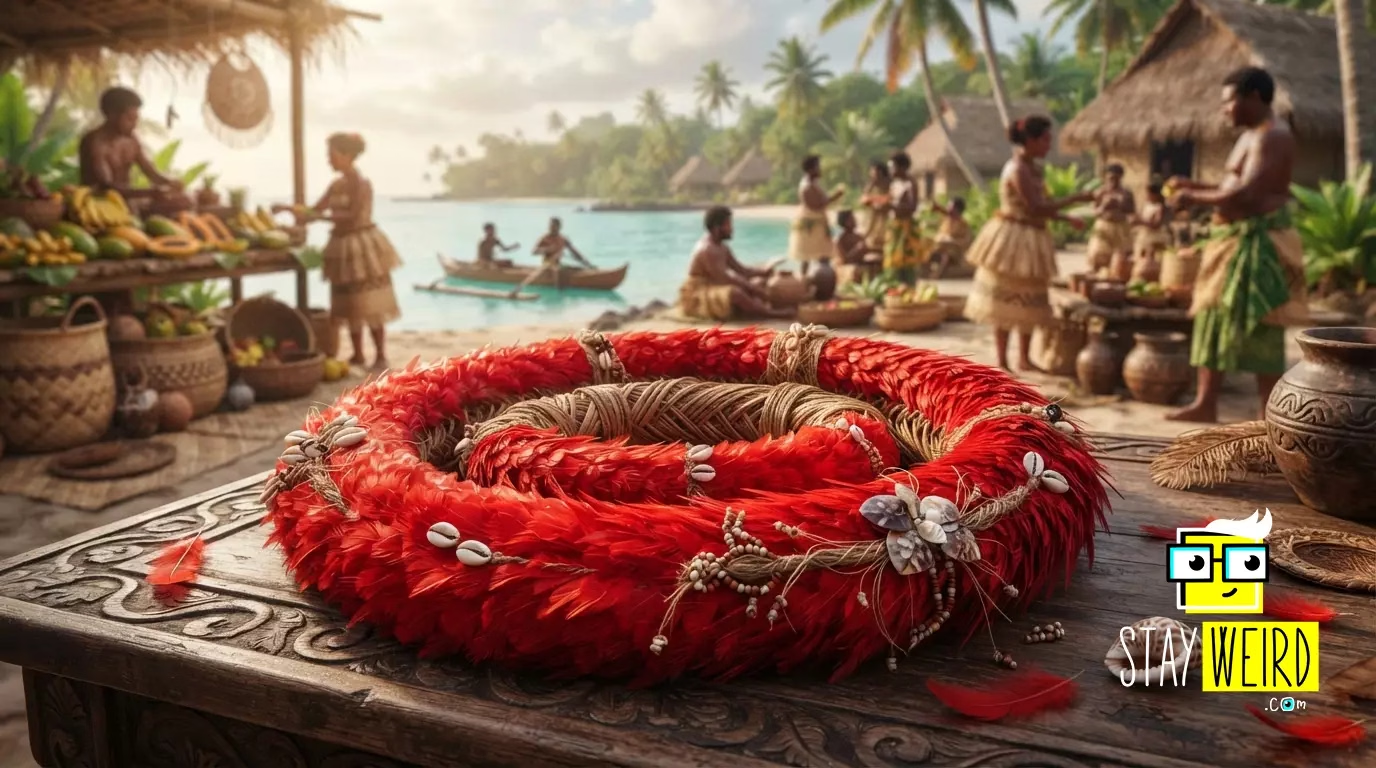
Forget paper bills. On the Santa Cruz Islands in the Solomon Islands, people once used beautifully crafted coils of red feathers as money.
Known as tevau, these unusual currency pieces were made using tiny red feathers from honeyeater birds, carefully attached to plant fibers and decorated with shells. They could be exchanged for goods and services, including canoes, pigs and food.
Some coils contained feathers from more than 300 birds. Considering how much work went into making them, it’s probably fair to say this was one of the most elaborate ways anyone has ever made a wallet.
3. Bricks of Salt
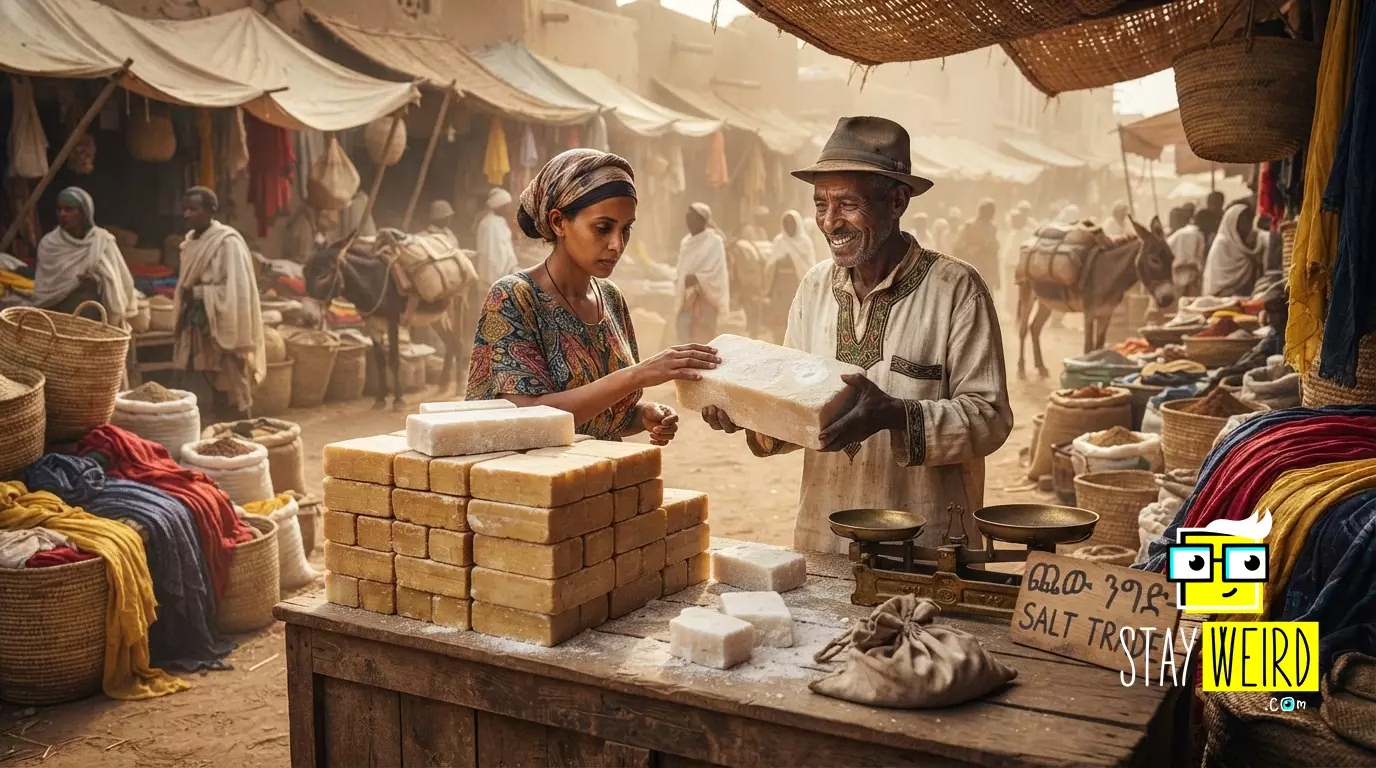
Salt might seem like a strange thing to use as money, but it was once valuable enough to be traded in several parts of the world.
In Ethiopia, blocks of salt known as amole were used as currency. These rectangular bars could be exchanged for goods and were still being used well into the 20th century.
The funny thing is that unlike gold or silver, this money came with an obvious problem: it could dissolve in water. Getting caught in a heavy rainstorm with your entire savings account in your pocket probably wasn’t ideal.
4. Bricks of Tea
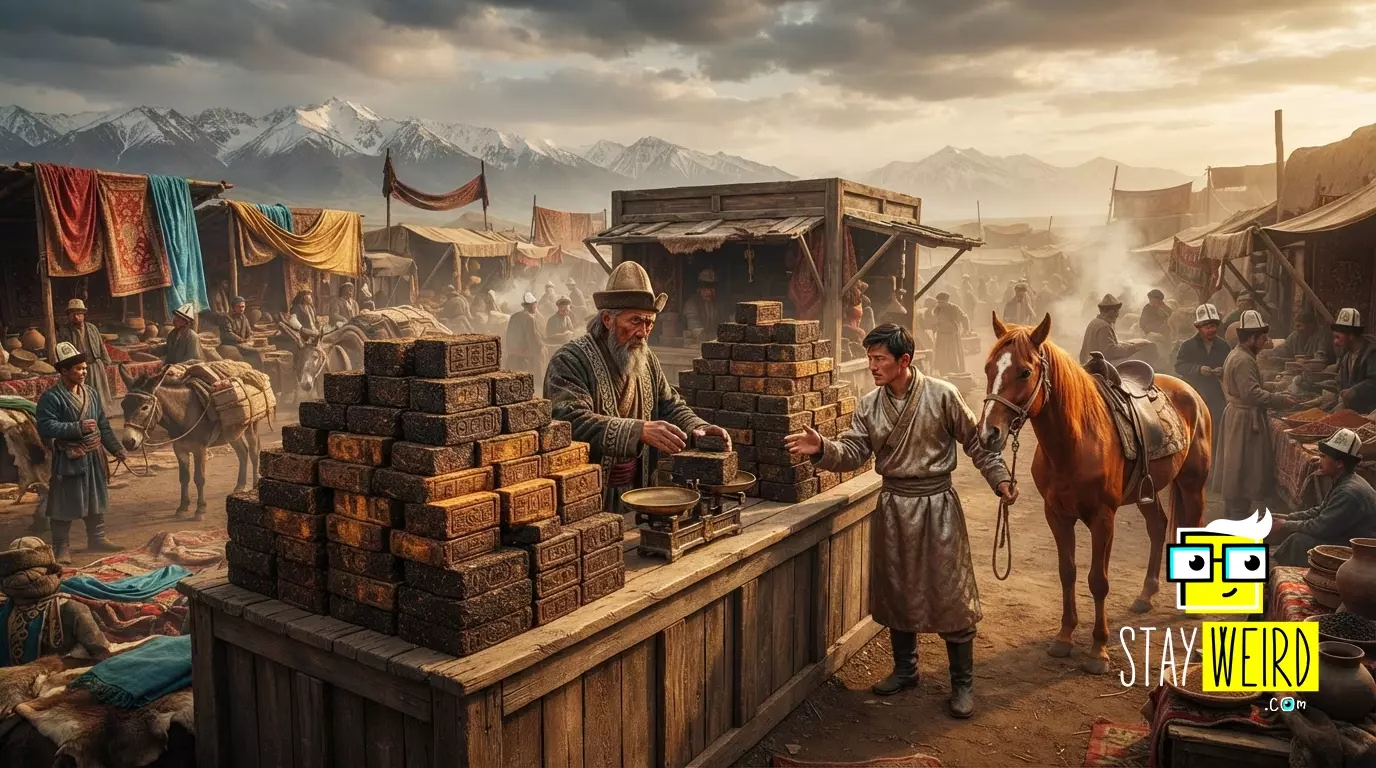
If you thought paying with salt was unusual, imagine using bricks of tea.
Compressed tea bricks were used as currency in parts of Central Asia for centuries. Instead of carrying loose tea leaves around, people pressed the leaves into solid blocks that were easier to transport and trade.
And these weren’t just tiny little tea cakes. According to the Bank of Canada Museum, 20 tea bricks could buy a horse, while 12 could purchase a sheep.
That’s quite a lot of tea for one shopping trip!
5. Chocolate Beans
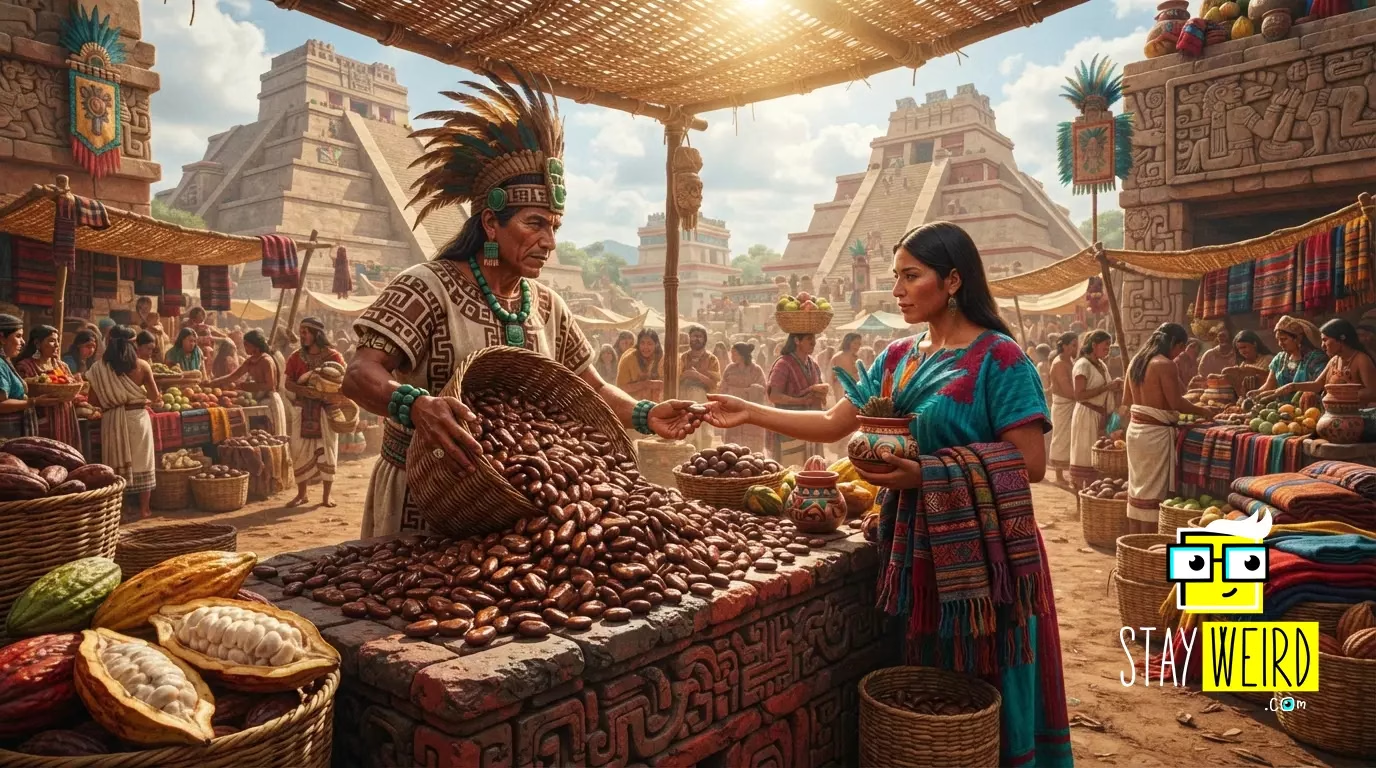
Imagine being able to pay for your groceries with chocolate. For the Aztecs, cacao beans were much more than an ingredient for making a delicious drink.
They were also used as a form of currency. Because cacao couldn’t be grown easily in the climate around the Aztec capital, the beans had to be obtained through trade, making them valuable.
So the next time someone tells you chocolate is worth its weight in gold, you can tell them that there was a time when the beans themselves actually helped pay for things.
6. Cowrie Shells
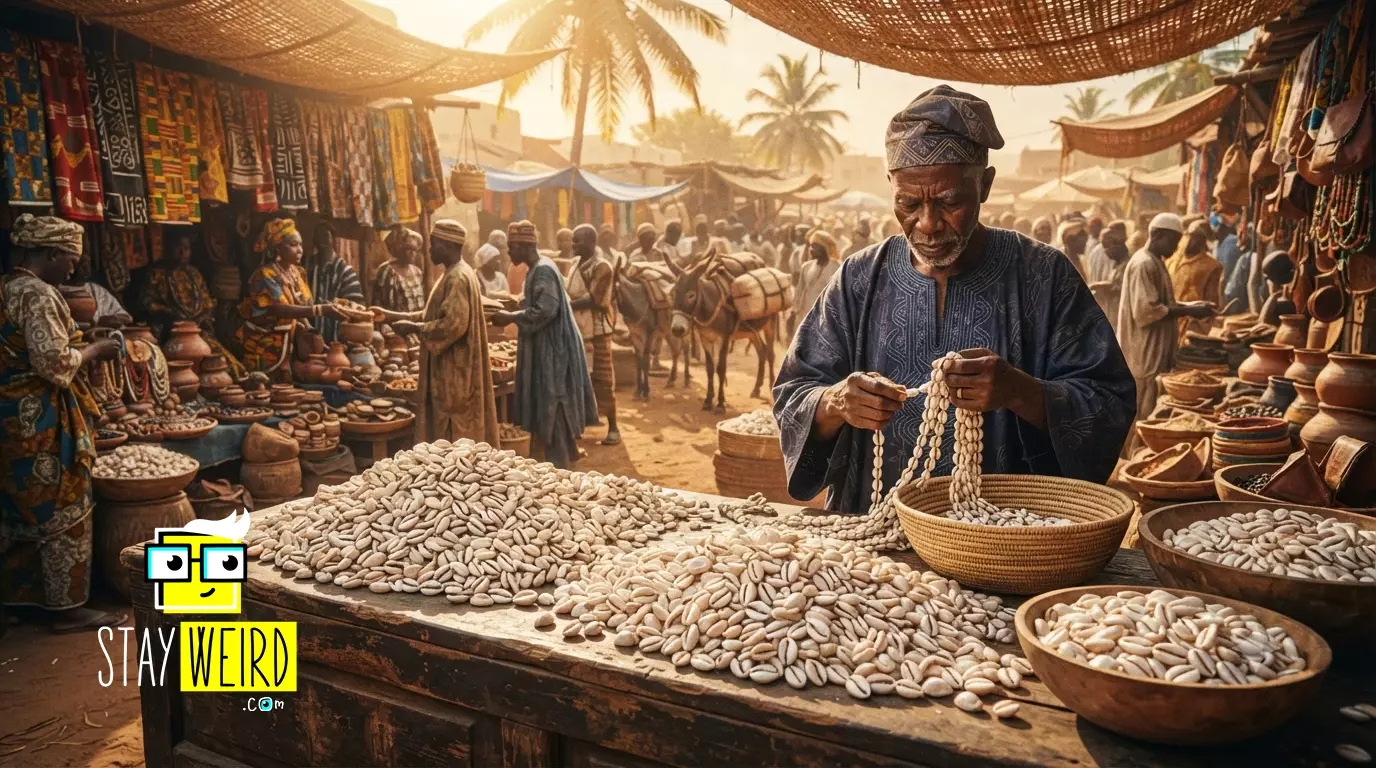
Some of the most recognizable forms of unusual money came straight from the ocean.
Cowrie shells were used as currency in many parts of Africa, Asia and other regions. They were small, durable, easy to carry and difficult to imitate, making them surprisingly practical for trading.
In some places, shells were counted individually or arranged in strings to make larger payments. So while someone today might collect seashells as souvenirs from the beach, other people once collected them to build their fortune.
7. Knife-Shaped Coins
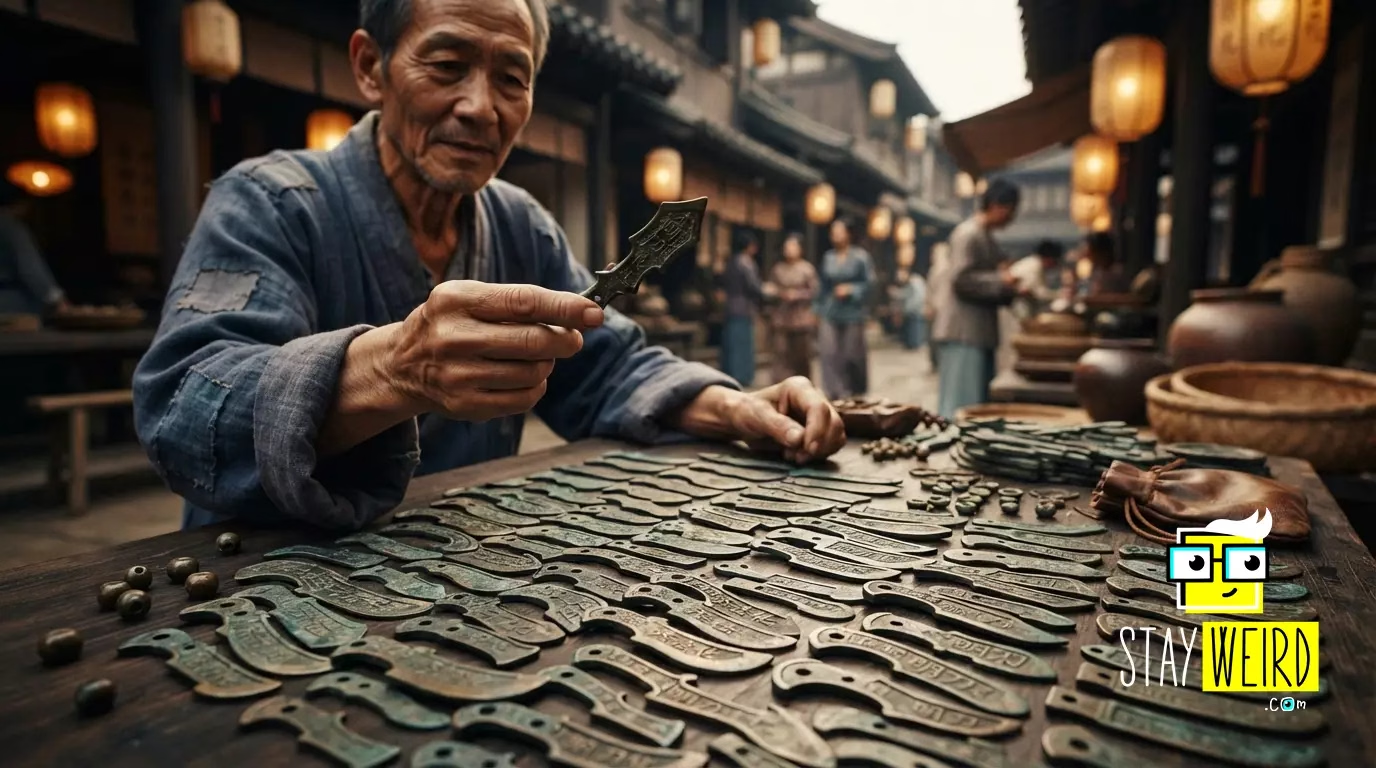
Most people expect coins to be round, but ancient China had a rather different idea.
Some early Chinese coins were shaped like miniature knives. Known as knife money, these bronze objects were designed to resemble actual knives, complete with handles and curved blades.
Fortunately, they weren’t meant to be used for cutting anything. They were simply a strange-looking way to pay for things, and some examples date back more than 2,000 years.
Imagine opening your wallet and finding a collection of tiny bronze knives instead of coins.
8. Whale Teeth
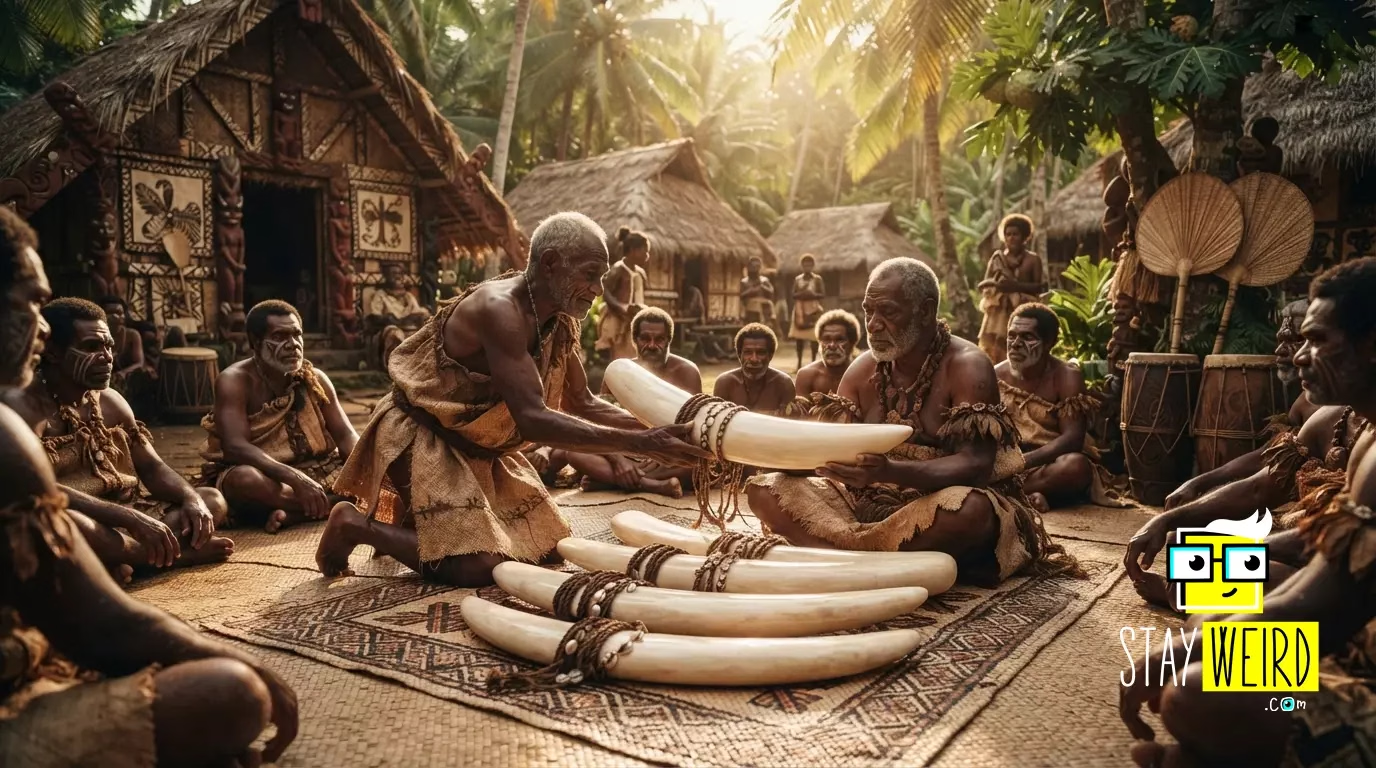
In Fiji, some valuable transactions once involved something you probably wouldn’t expect to find in a wallet: whale teeth.
Known as tabua, these polished sperm whale teeth were highly prized and used as a form of currency as early as the 19th century. They were sometimes smoothed, stained and attached to braided cords.
They weren’t just used for buying things either. Tabua also became important gifts of honour and were presented during weddings and other significant occasions.
It’s certainly one of the more unusual things anyone has ever handed over during a business deal.
9. Playing Cards
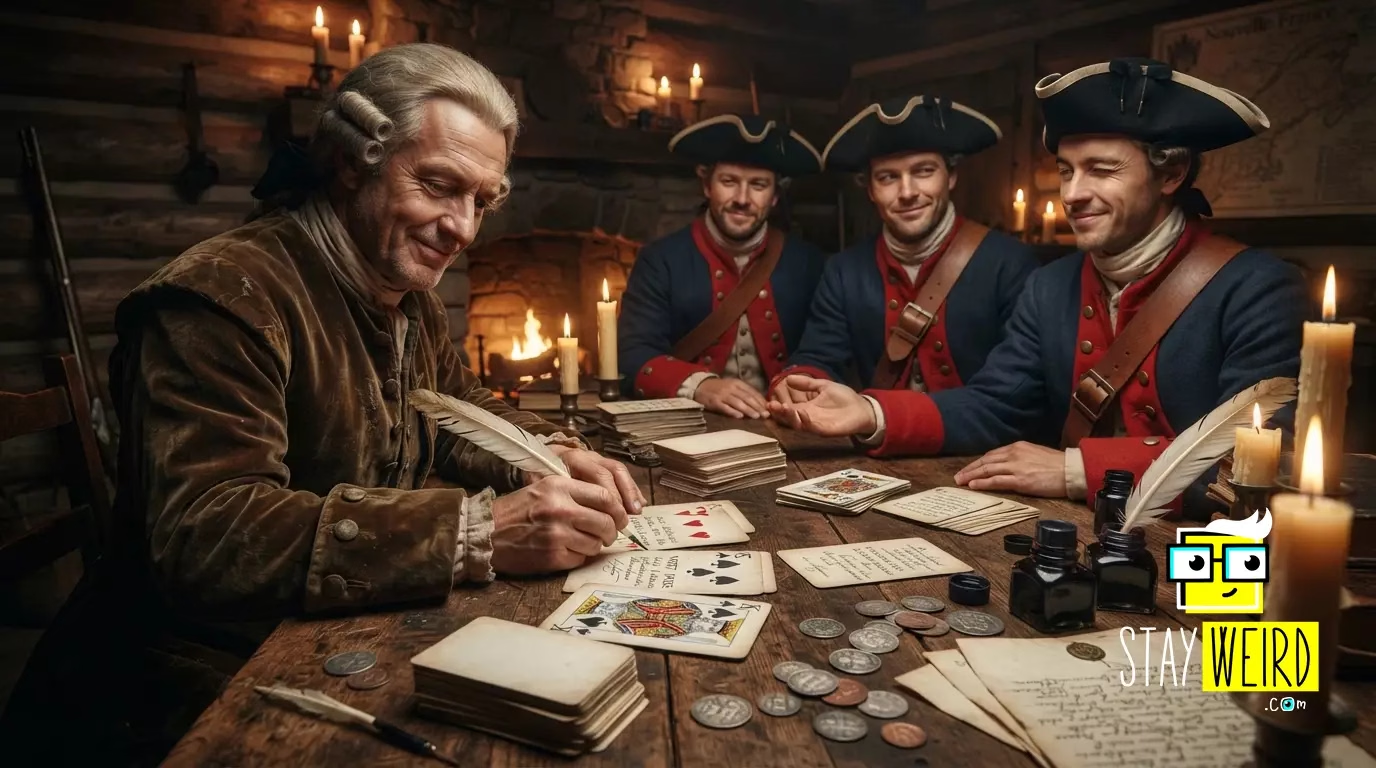
What happens when a colony runs out of money but still needs to pay its soldiers? Apparently, you start using playing cards.
In 1685, the French colony of New France faced a shortage of coins. The solution was surprisingly simple: officials wrote monetary values on ordinary playing cards and used them to pay the troops.
The cards eventually circulated as money, and the idea proved useful enough that it was repeated over the following decades.
So technically, someone in 17th-century Canada could have been paid with a deck of cards. Hopefully they weren’t tempted to play poker with their salary.
10. Clam Shell Dollars
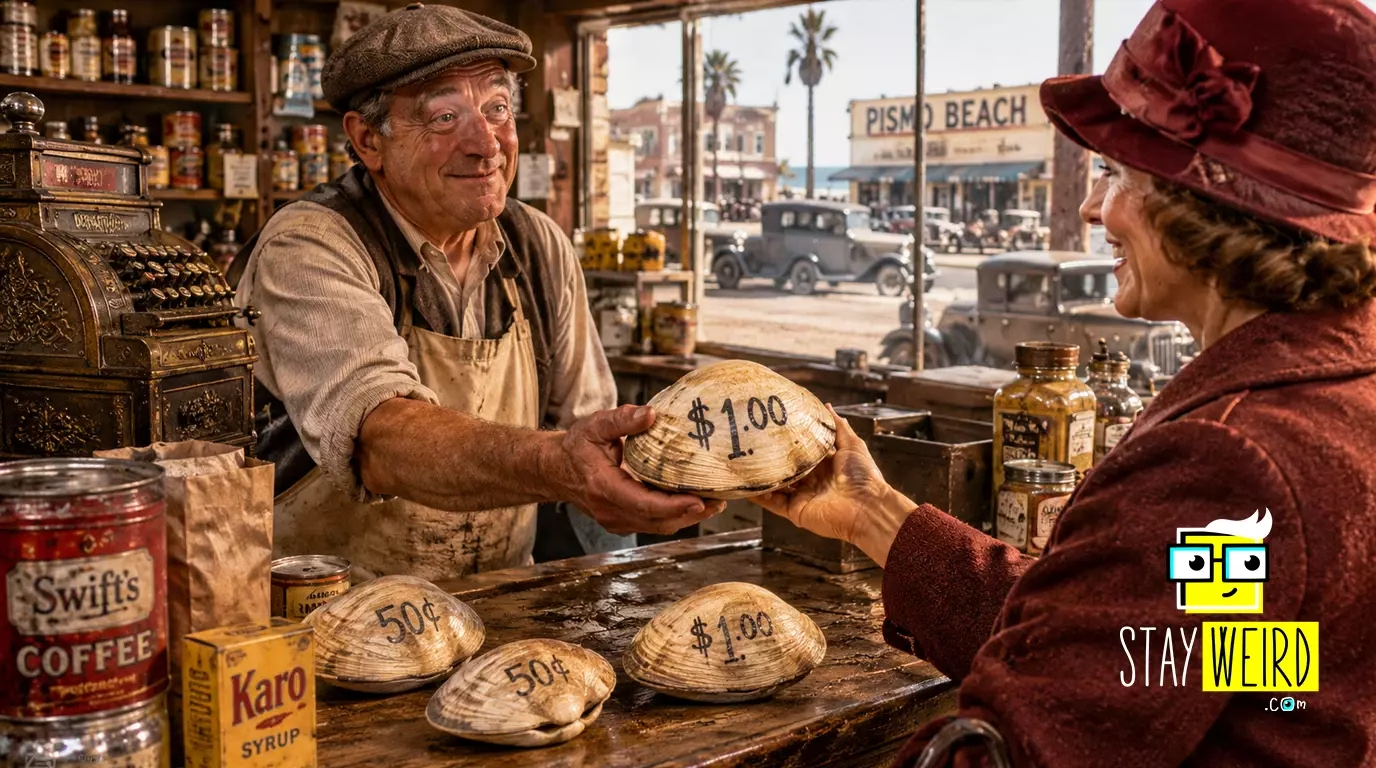
If you think paying with shells sounds like something from ancient history, here’s a much more recent example.
During the Great Depression in 1933, the coastal town of Pismo Beach, California, experimented with an unusual form of local money made from clam shells.
Some merchants issued shells marked with dollar and cent values, including one-dollar and fifty-cent denominations. They were intended to work as local emergency currency during a time when ordinary money was in short supply.
Yes, actual clam shells were being handed over as payment in 20th-century America. That’s a sentence you probably weren’t expecting to read today!
Money Has Never Been Normal
Looking at these examples, it’s amazing how many different things people have accepted as money throughout history.
From enormous stone wheels that couldn’t even be moved to chocolate beans, feather coils and playing cards, the idea of what something is worth has taken some pretty unexpected forms.
And who knows? Maybe a few hundred years from now, people will look back at our plastic bank cards and wonder what on earth we were thinking.
Which of these strange forms of money surprised you the most? And would you rather get paid in chocolate beans, tea bricks or giant stone wheels? Let us know!

Kate is a creative soul with a knack for entertaining people with random facts and historical tidbits. Whether she’s diving into history books, painting vibrant canvases in her free time, or crafting engaging stories, Kate’s passion for creativity and knowledge shines through.
She loves turning the ordinary into something extraordinary and believes there’s always a fascinating story waiting to be told. When she’s not busy exploring the past or wielding a paintbrush, you’ll find her sharing her latest discoveries with anyone who’ll listen.


